After watching the sunrise at the torii gate in Oarai, I headed straight off to see the nemophila.
Fitting a whole field of nemophila into 15mm
It was a little early in the season, but depending on how I framed it, there were enough flowers in bloom to look like a whole field of nemophila.
With the move to the RF mount, the wide end went from 16mm to 15mm — 1mm wider. 15mm is a wider angle of view than what you normally see, which makes it all the more satisfying when everything fits neatly in the frame.
An ultra-wide that makes buildings look even more distinctive
Shooting architecture with an ultra-wide is fun, too. Distinctive buildings come out looking even more distinctive. Being able to shoot without stepping far back from your subject is another nice thing about wide-angle lenses.
Rainy Shibuya, with a slow shutter.
Dust and drip resistance plus coordinated image stabilization for slow-shutter shots of a rainy city
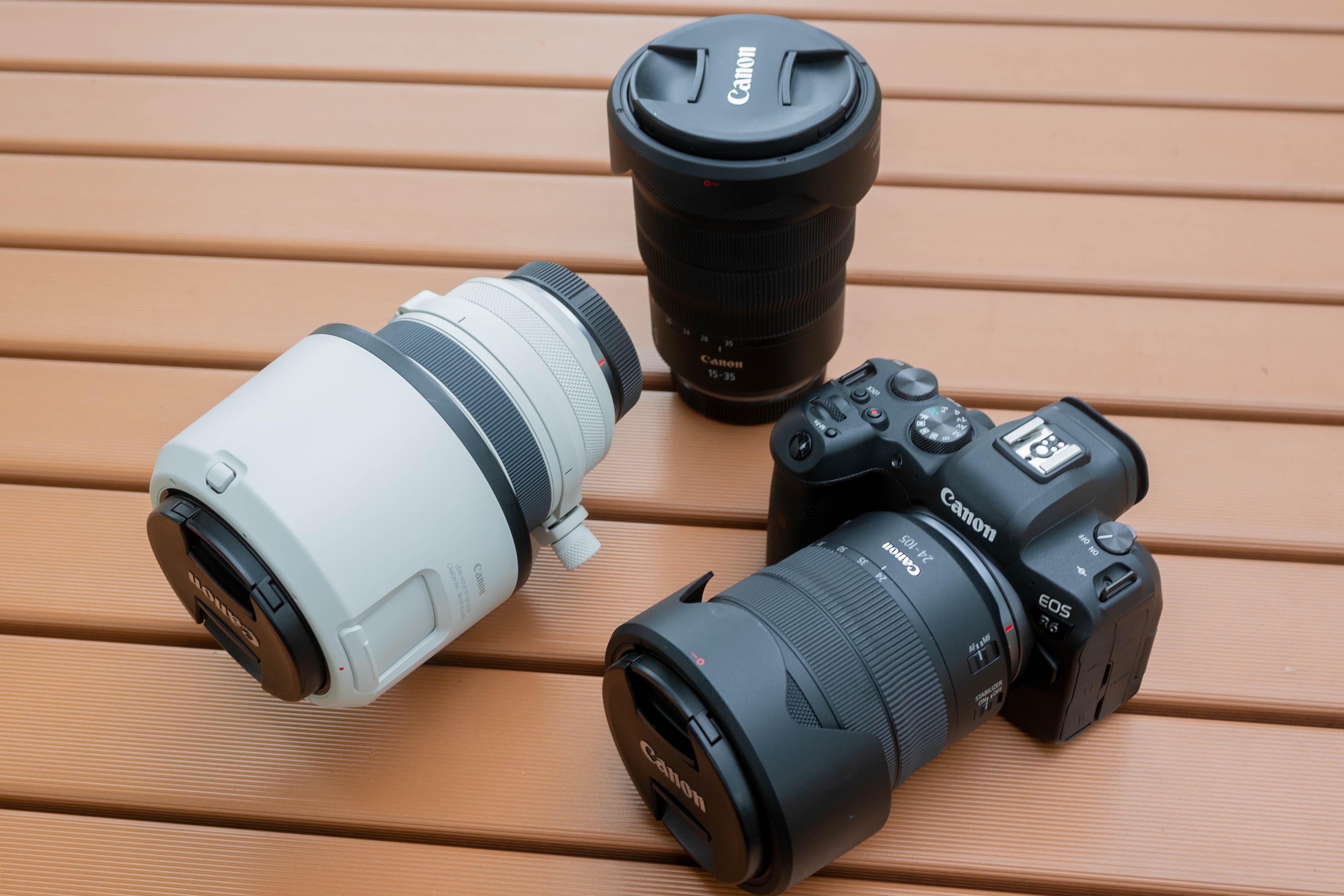
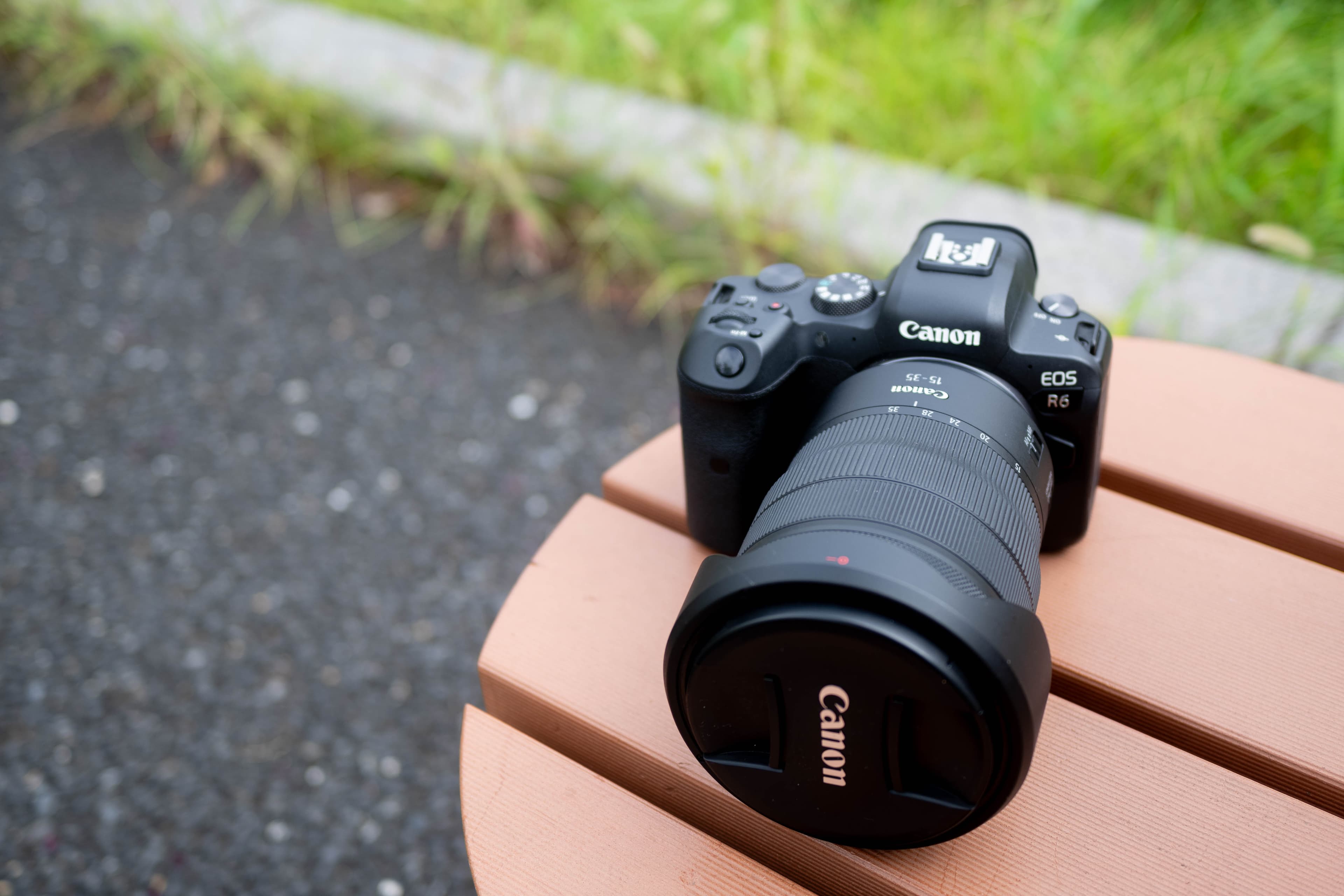
The RF15-35mm F2.8 L IS USM supports coordinated image stabilization, giving up to 7.0 stops with the EOS R6. It’s also dust and drip resistant, so I could shoot street snapshots on a rainy day without worrying.
After shooting in Shibuya, I went straight on to Omotesando. The state of emergency had been lifted, but there still weren’t many people out.
As one of the L-series “holy trinity” zooms, its image quality leaves nothing to complain about. From 15mm to 35mm, it’s a fun range for both dynamic wide-angle shots and snapshots. If you want to go out and photograph starry skies or grand natural scenery, I think it’s just the right lens.