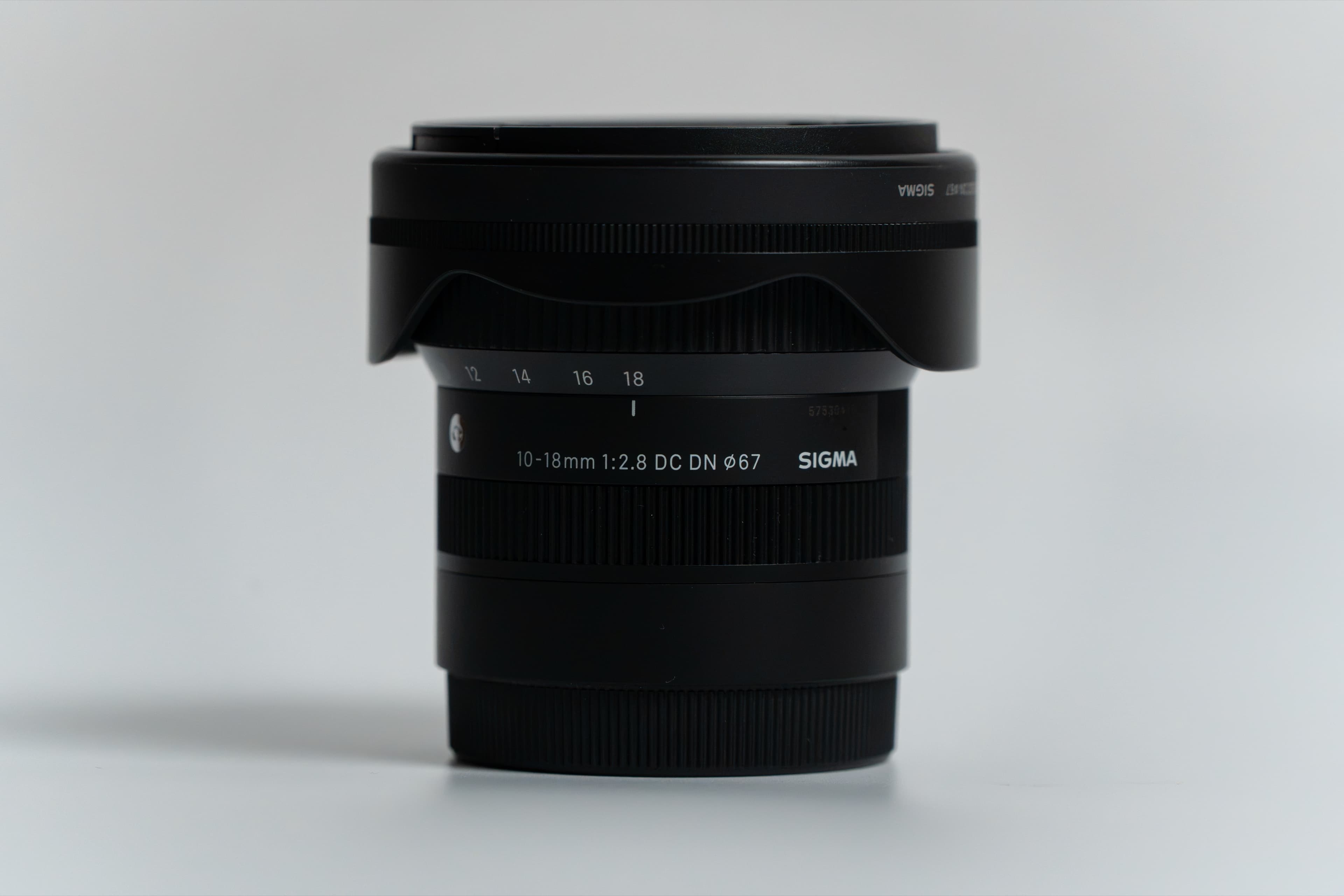
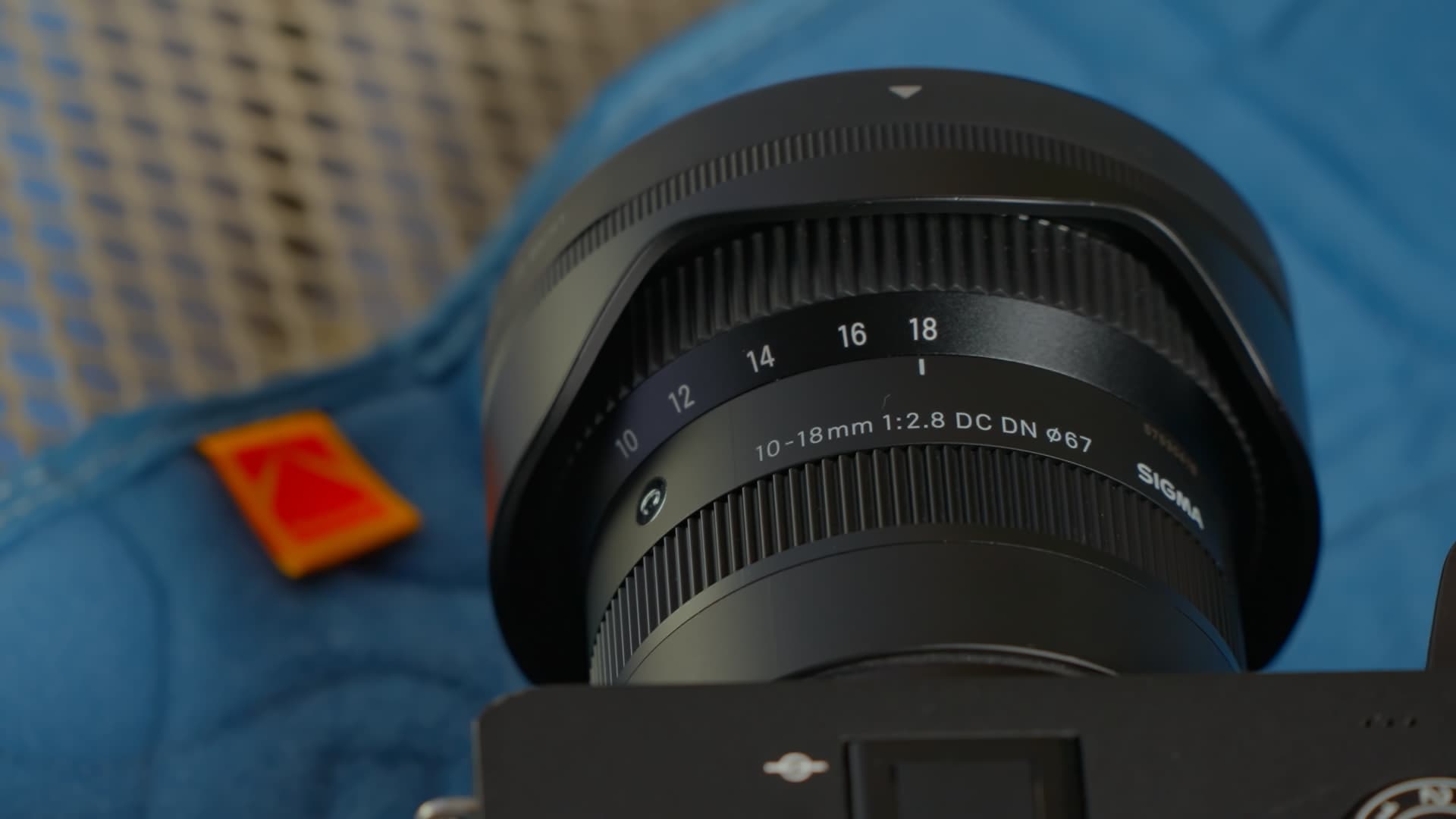
The SIGMA 10-18mm F2.8 DC DN | Contemporary is SIGMA’s wide-angle zoom lens for APS-C. I haven’t used wide-angle all that much until now. Even so, a travel photographer I like uses wide-angle zooms really well, and to me, travel photography means a wide-angle zoom. When I was shooting with the 18-50mm in front of the sea in Okinawa, I wanted to go wider, so I took this lens out of my bag and swapped it on.
About 15-27mm in full-frame terms at constant F2.8: a wide-angle zoom at about 255 g
On the α6700, it covers about 15-27mm in full-frame terms. It is F2.8 across the whole zoom range and weighs about 255 g. Lenses that reach into the 10mm range tend to be expensive, or big and heavy, so this was an angle of view I found hard to get into. If you are choosing a wide-angle lens for APS-C, I think this is the one.
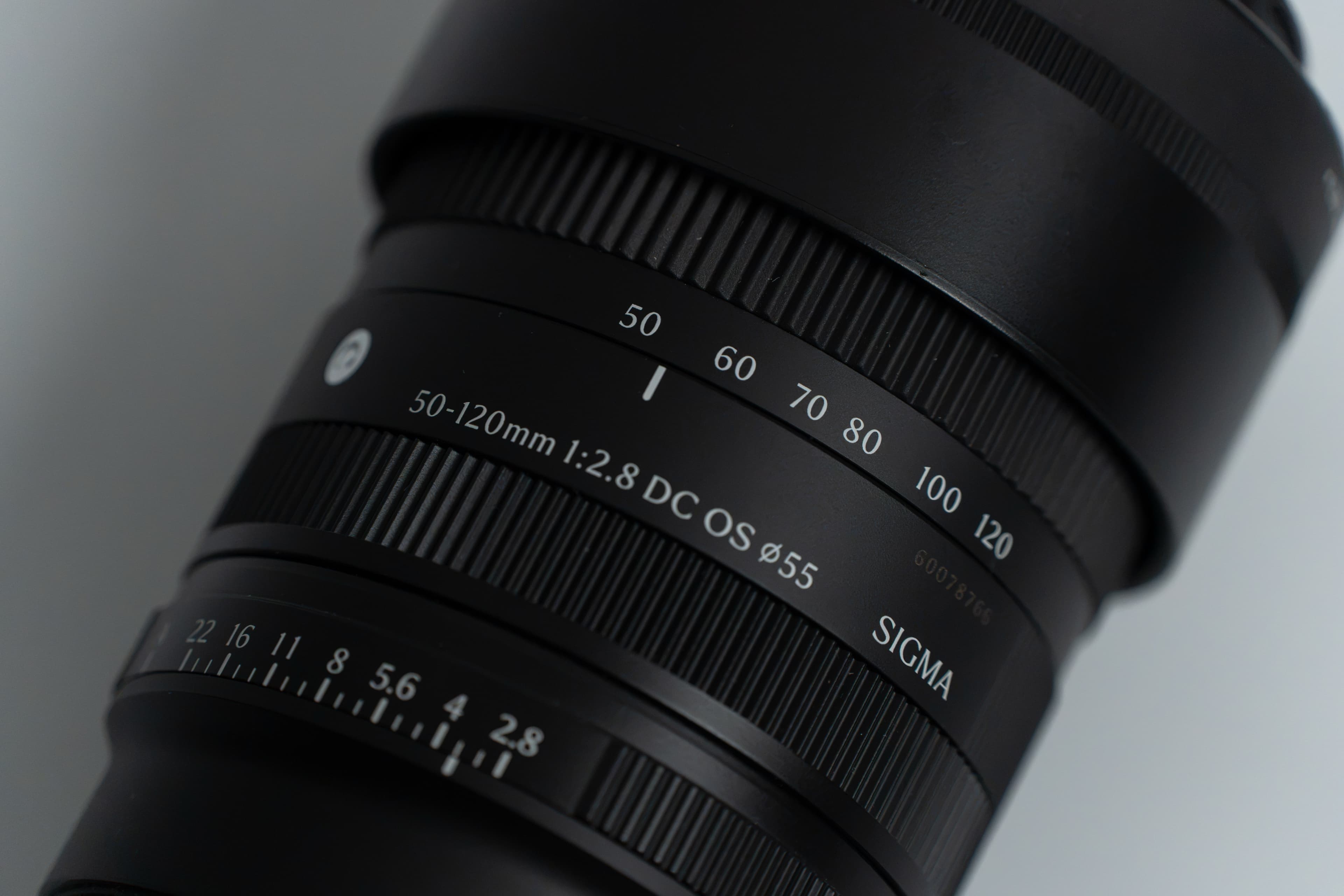
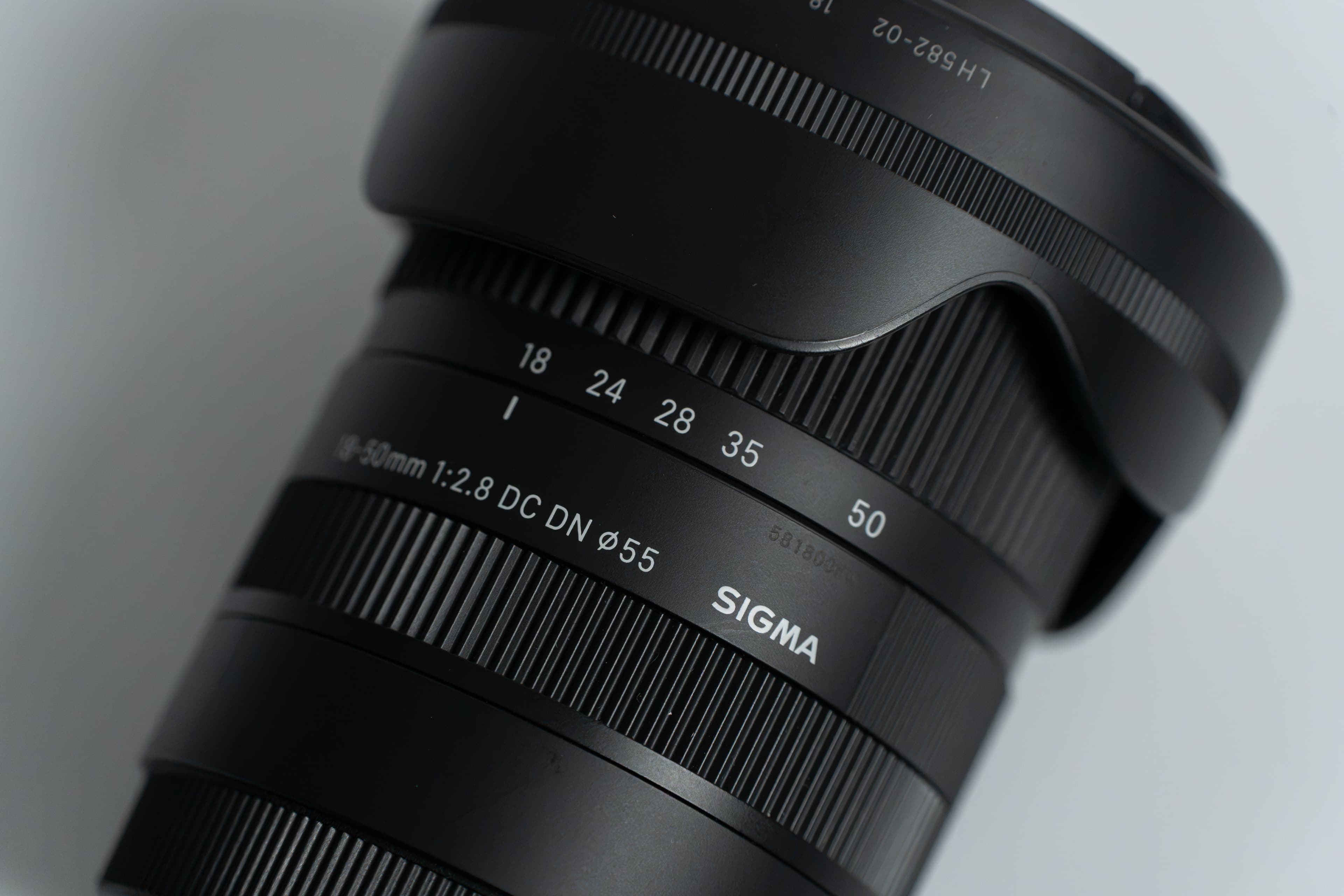
If you have the 18-50mm standard zoom, it’s nice that the focal lengths connect at 18mm. When I walked around with two cameras, the 10-18mm on the α6700 and the 50-120mm telephoto on the α7C II, a lens of about 255 g never felt heavy. One thing to note, though: the filter size is φ67mm, different from the φ55mm of the 18-50mm and 50-120mm, so you can’t share the same filters across all three.
Sea, sky, and buildings in a single frame: the width of about 15mm in full-frame terms
Its biggest appeal is, of course, how wide it can shoot. When you usually shoot with a standard zoom, it’s also fun how the world you see changes all at once just by swapping lenses.
By the sea in Okinawa, I could fit the sea, the sky, and the sunset into a single frame. I had brought the 50-120mm telephoto too, but this lens let me take in the wide-open sea and the sunset without holding anything back, and I’m glad I had it with me. On a trip, there are many moments when you can keep that sense of awe with a wide angle, and that is what makes it so appealing.
In front of buildings, too, 10mm fits a curved wall and the sky into a single frame.
Comparing 10mm and 18mm from the same spot, 10mm takes in the grass in the foreground, while at 18mm the buildings of the town appear larger.
Focusing as close as 11.6 cm at the wide end, for shots that don’t feel empty
The 10-18mm can focus as close as 11.6 cm at the wide end and 19.1 cm at the tele end. Whether it’s food on the table or a little shisa sitting on its perch, getting close keeps the frame from feeling empty. You also get a nice touch of blur, so you can enjoy a side of wide-angle that’s different from wide landscapes.
Opening up to F2.8: a dim izakaya and the riverside at night
Being usable in dark places is the strength of a constant F2.8. The izakaya in Naha was quite dark inside, so I opened up to F2.8 and raised the ISO to 6400. There is noise, as you would expect, but with Lightroom’s noise reduction, the photos come out more than clean enough as a record of the trip.
A light wide-angle zoom for the wide views of a trip
If you often shoot wide views, or group photos with the scenery in them, on trips with friends or family, the width of about 15mm in full-frame terms really pays off. It’s also a good fit if you have ever felt the wide end of the 18-50mm standard zoom wasn’t wide enough.
These days smartphones have ultra-wide cameras too, and wide-angle has become very familiar. If you just want to shoot wide on a trip, I think the iPhone’s ultra-wide is enough. If you want to take it a step further from there, a wide-angle zoom is worth bringing along.
Sample Photos: tree-lined roads and tide pools in Okinawa, streets in Seoul
The Fukugi tree-lined road
Reflections in a puddle
A rock arch and tide pools
Towns and streets
All sample photos: Sony α6700 / SIGMA 10-18mm F2.8 DC DN | Contemporary
It can fit a wide view into a single frame, and it can get close to food on the table or a shisa. It’s a wide-angle zoom that lets you keep travel photos in a way a standard zoom doesn’t see.